
A fractured shoulder refers to broken bones that make up the shoulder joint. Fractures can occur in any of the shoulder bones, including the scapula (shoulder blade), the clavicle (collar bone), and the proximal humerus (upper arm bone). Read on to learn about the symptoms, causes, diagnosis, and treatment options tailored to each type of shoulder fracture, including the clavicle, proximal humerus, and scapula.
If you would like to learn more about the surgical options for a shoulder fracture, contact Dr. Wame Waggenspack in Houston, Texas. Dr. Waggenspack and his dedicated team specialize in orthopedic shoulder care, offering personalized treatment plans to help you regain function and alleviate discomfort. Schedule an appointment today!

Related Services
The symptoms you might have when you fracture your shoulder will depend on which bone you fracture. General symptoms of a shoulder fracture include the following:
Clavicle fractures may display the following symptoms:
If you break the top of your upper arm bone, you may experience the following symptoms:
Symptoms of a scapular fracture include the following:
You are more likely to fracture your clavicle or proximal humerus than your scapula. This is because the scapula is well protected by your chest and surrounding muscles.
Clavicle and proximal humerus fractures can be caused by falls, or a direct blow to the area.
Scapula fractures usually only occur in high-energy trauma accidents such as motor vehicle collisions. The chest will often be injured at the same time.
Fractures can be diagnosed using X-rays of the area along with a physical examination. You may also require other imaging tests, such as CT or MR, if additional information is needed, or if it is suspected that you have any other shoulder injuries.
Not all shoulder fractures need surgery. If the fracture is small and the bones are still in place, they may heal on their own. Treatment for these types of fractures includes rest, temporary immobilization with gradual return to activity over a few weeks or months, and medication for swelling and pain. Physical therapy is often helpful to regain motion and function.
Shoulder fracture surgery may be required for more complex fractures. Dr. Waggenspack may recommend surgery to stabilize the fracture to make sure that it heals properly. The following outlines some of the treatments available according to the fractured bone:
Clavicle fractures can usually be treated non-surgically. Surgery becomes necessary if the fracture pierces the skin or if there is significant displacement of the bone. In some cases, surgical intervention for specific clavicle fractures may offer benefits.
Surgical procedures typically entail stabilizing the fracture using plates and screws implanted within the bone. Dr. Waggenspack will be happy to discuss the potential risks and advantages of this procedure with you.
The majority of proximal humerus fractures can be treated without surgery, especially when the bone fragments are not severely displaced.
When surgery is required, Dr. Waggenspack may recommend fixing the fractured fragments using plates and screws. In some cases, it may be recommended that you have shoulder replacement surgery.
Many scapula fractures can be treated non-surgically. You may only require immobilization with a sling or shoulder immobilizer, along with icing and pain relief medications.
Surgical intervention is rarely necessary when treating scapula fractures. However, it may be necessary if the fracture involves the shoulder joint or if there is an additional severe clavicle fracture at the same time.
Surgical treatment entails realigning the bones and securing the fracture fragments using plates and screws.
Are you looking for an expert shoulder surgeon to treat your shoulder fracture? Don’t wait any longer—schedule your appointment today with Dr. Wame Waggenspack, in Houston, TX. Our team specializes in orthopedic shoulder care and is dedicated to providing personalized treatment plans tailored to your unique needs. Regain mobility and alleviate discomfort by booking your consultation now!
Medically reviewed by Dr. Wame Waggenspack
A shoulder fracture can cause severe pain, swelling, bruising, and limited shoulder movement. Some fractures may also cause a grinding sensation or visible deformity.
Shoulder fractures can result from falls or a direct blow to the shoulder. Scapula fractures are more often associated with high-energy trauma, such as a motor vehicle collision.
A shoulder fracture is typically diagnosed with a physical examination and X-rays. CT or MRI scans may also be recommended when additional information is needed, or another shoulder injury is suspected.
Not every shoulder fracture requires surgery. Smaller fractures with bones that remain in position may heal with rest, temporary immobilization, pain management, and physical therapy. More complex fractures may require surgical stabilization.
It may be possible to move a fractured shoulder, although movement can be painful and the range of motion may be reduced. You should not force the shoulder to move if you have significant pain.
Need expert elbow surgery in Houston, TX? Dr Waggenspack Orthopedics treats elbow injuries and conditions with personalized surgical and non-surgical solutions to restore strength, motion, and function.
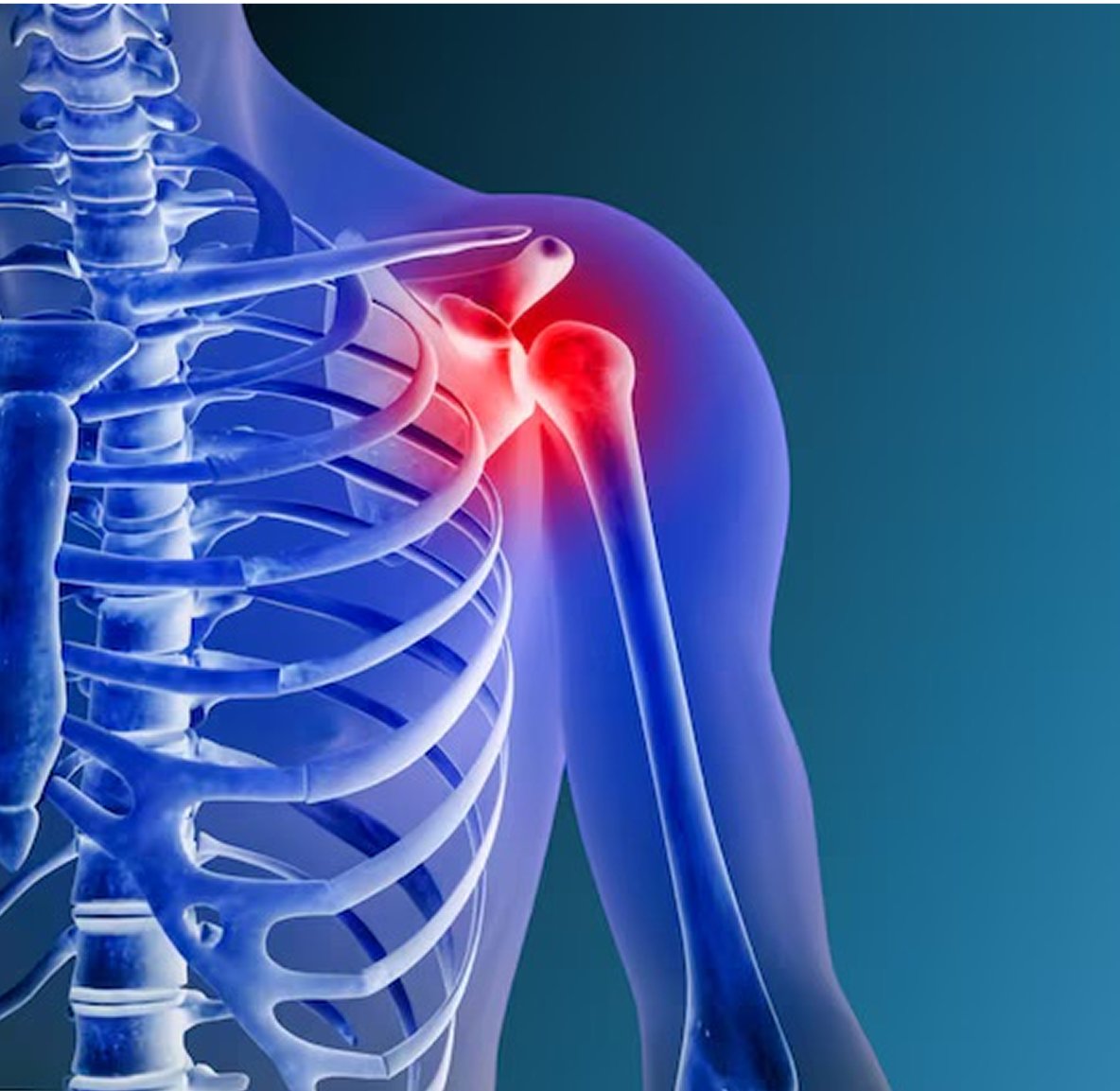
Need expert shoulder surgery in Houston, TX? Dr Waggenspack Orthopedics offers advanced arthroscopic and open shoulder procedures, including rotator cuff repair, shoulder replacement, and fracture repair to restore function and relieve pain.
Sidelined by a sports injury? Dr Waggenspack Orthopedics in Houston, TX provides expert sports medicine care for shoulder and elbow injuries, helping athletes safely return to activity and performance.