
Total shoulder replacement surgery is a procedure aimed at relieving shoulder joint pain caused by arthritis while also improving mobility. We’ll cover the types of replacements, reasons for surgery, the evaluation process, potential complications, and the recovery process, including pain management and rehabilitation.
If you’re seeking relief from shoulder pain and improved mobility, schedule a consultation today with Dr. Wame Waggenspack in Houston, Texas. Dr. Waggenspack provides expert shoulder care tailored to your specific needs.

Related Services
Total shoulder replacement surgery is a procedure where the damaged parts of the shoulder are removed and replaced with artificial components, called a prosthesis. The surgery is used to replace the glenohumeral joint, which is the ball and socket joint of the shoulder.
A total shoulder joint replacement generally refers to an anatomic total shoulder replacement where the prosthesis replaces like-for-like parts. This is in contrast to a reverse total shoulder replacement, which replaces the ball part of the joint with the socket and the socket part with the ball.
A total shoulder replacement involves replacing both the head of the humerus bone (ball) and the socket (glenoid). If you need to replace only one of the parts, you could have a partial shoulder replacement or hemiarthroplasty.
A total shoulder replacement is indicated for those with arthritis in the shoulder joint. You may be recommended for the procedure if arthritis is causing any of the following symptoms and non-surgical treatments are not helping:
Patients with bone-on-bone osteoarthritis and intact rotator cuff tendons are generally good candidates for conventional anatomical total shoulder replacement.
Total shoulder replacement works by replacing the arthritic joint surfaces with an artificial ball and socket. The ball is usually made of polished metal attached to a stem, and the socket is made of plastic.
The artificial components are either cemented or press-fitted into the bone, depending on your bone quality. If the humerus bone is of good quality, the metal ball will be press-fit into the bone. If the bone doesn’t have sufficient strength, then the component can be implanted with bone cement. The socket or glenoid component is usually always cemented.
Your doctor may refer you to an orthopedic surgeon, like Dr. Waggenspack, to see if you will benefit from a total shoulder replacement. The evaluation will include the following:
With all the information gathered, Dr. Waggenspack will determine whether joint replacement surgery is right for you. In some cases, anti-inflammatory medicines, steroid injections, physical therapy, or other types of surgery could be considered first.
Your surgeon will discuss the possible complications and risks with you before you decide whether surgery is right for you.
Following surgery, your medical team will provide you with antibiotics to prevent infections. You should be able to return home either the day of surgery or the next morning.
During the initial phase of recovery, you will need to take care of your wound. You should keep it dry and covered to prevent infection. The sutures are buried underneath the skin and dissolve after a few weeks.
Pain after surgery is normal as your body heals. However, you will need to manage your pain to begin rehabilitation. To help you manage your pain, your medical team will often use a mixture of medications such as opioids, muscle relaxers, and sometimes NSAIDs.
Rehabilitation is an important part of your recovery. Physical therapy starts soon after surgery, helping you regain strength and mobility. You’ll start gentle exercises soon after surgery, guided by your surgeon and physical therapist.
Light activities like eating and grooming are usually possible within a couple of days or weeks after surgery. However, some pain during activity and at night is common during the initial recovery period. Driving isn’t usually permitted for a few weeks after surgery to ensure your safety and proper healing. Returning to sports, working out, and other higher-demand activities will take several months.
The full healing process, including regaining motion, function, and strength, will continue for up to a year after surgery. You will see Dr. Waggenspack multiple times during this period to monitor your progress
Ready to explore your options for treating persistent shoulder pain? Schedule a consultation with Dr. Wame Waggenspack in Houston, TX, and take the first step towards improved mobility and a better quality of life.
Dr. Waggenspack provides several treatment options, such as total shoulder replacement surgery and reverse shoulder replacement. Don’t let shoulder pain limit you—book your appointment now and start your journey to relief!
Medically reviewed by Dr. Wame Waggenspack
Total shoulder replacement surgery involves replacing damaged parts of the shoulder joint with artificial components to reduce pain and improve shoulder function and mobility.
People with shoulder arthritis causing severe pain, stiffness, weakness, or difficulty performing everyday activities may be candidates, especially if non-surgical treatments have not helped.
Evaluation includes reviewing medical history, conducting a physical examination, taking X-rays, and sometimes ordering MRI or CT scans to assess joint damage and overall shoulder health.
During recovery, you will need to take care of your wound. You will also be given medication for the pain. Physical therapy will begin soon after surgery. Light daily activities may resume within weeks, but full recovery can take several months to a year.
As with any surgery, there are potential risks and complications. Your surgeon will discuss these with you before the procedure to help determine whether surgery is the right option for your condition.
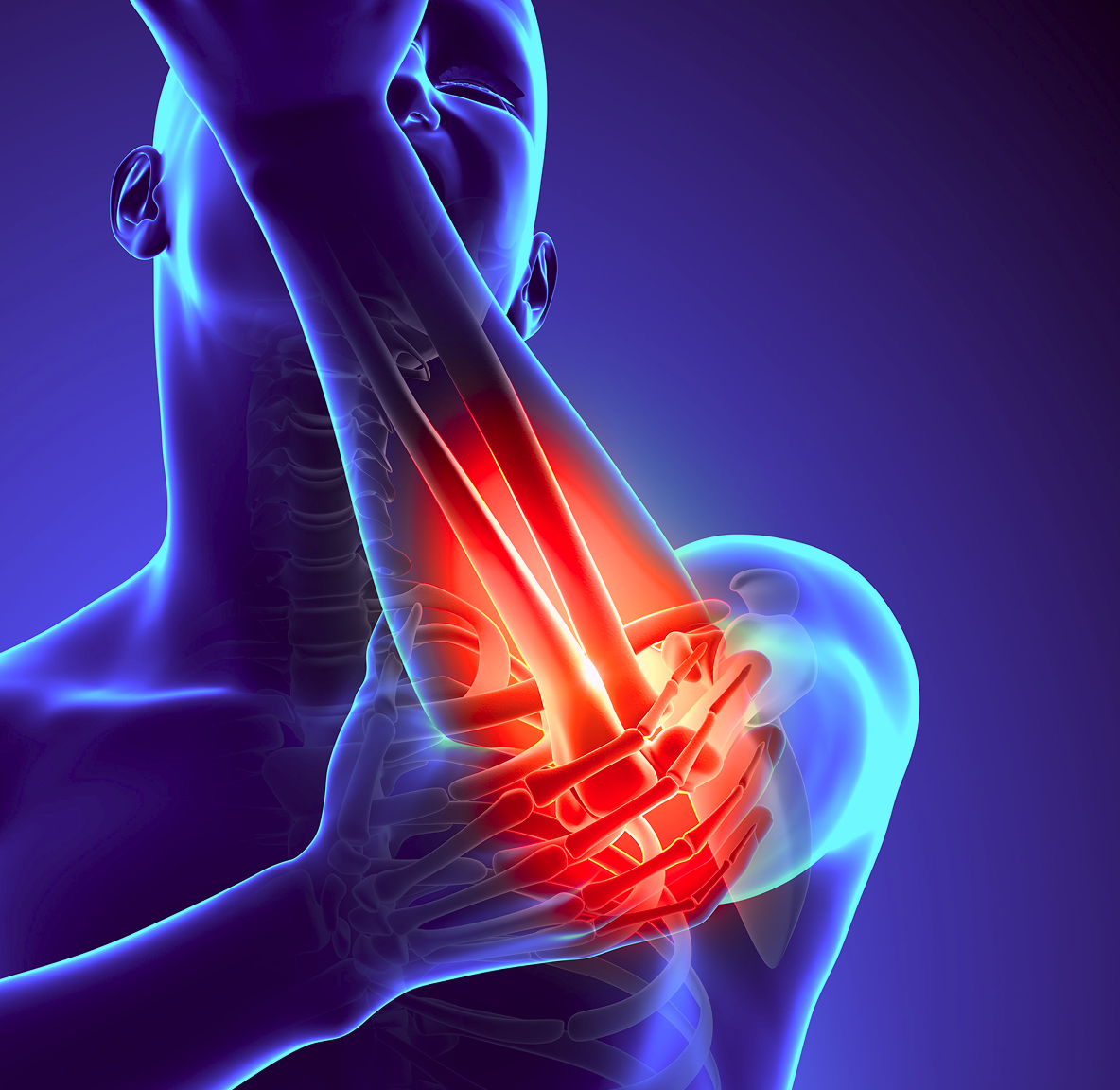
Need expert elbow surgery in Houston, TX? Dr Waggenspack Orthopedics treats elbow injuries and conditions with personalized surgical and non-surgical solutions to restore strength, motion, and function.
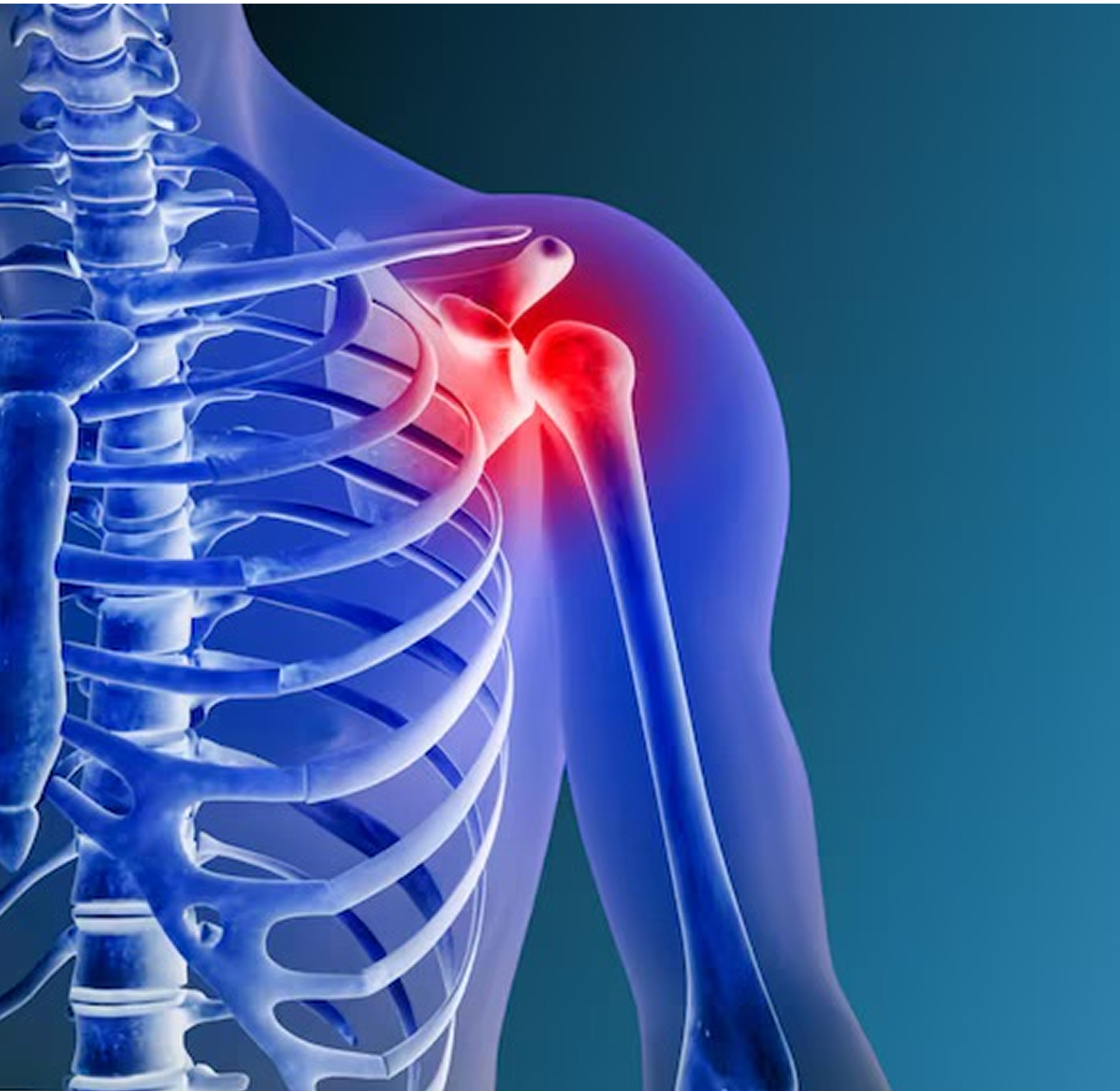
Need expert shoulder surgery in Houston, TX? Dr Waggenspack Orthopedics offers advanced arthroscopic and open shoulder procedures, including rotator cuff repair, shoulder replacement, and fracture repair to restore function and relieve pain.
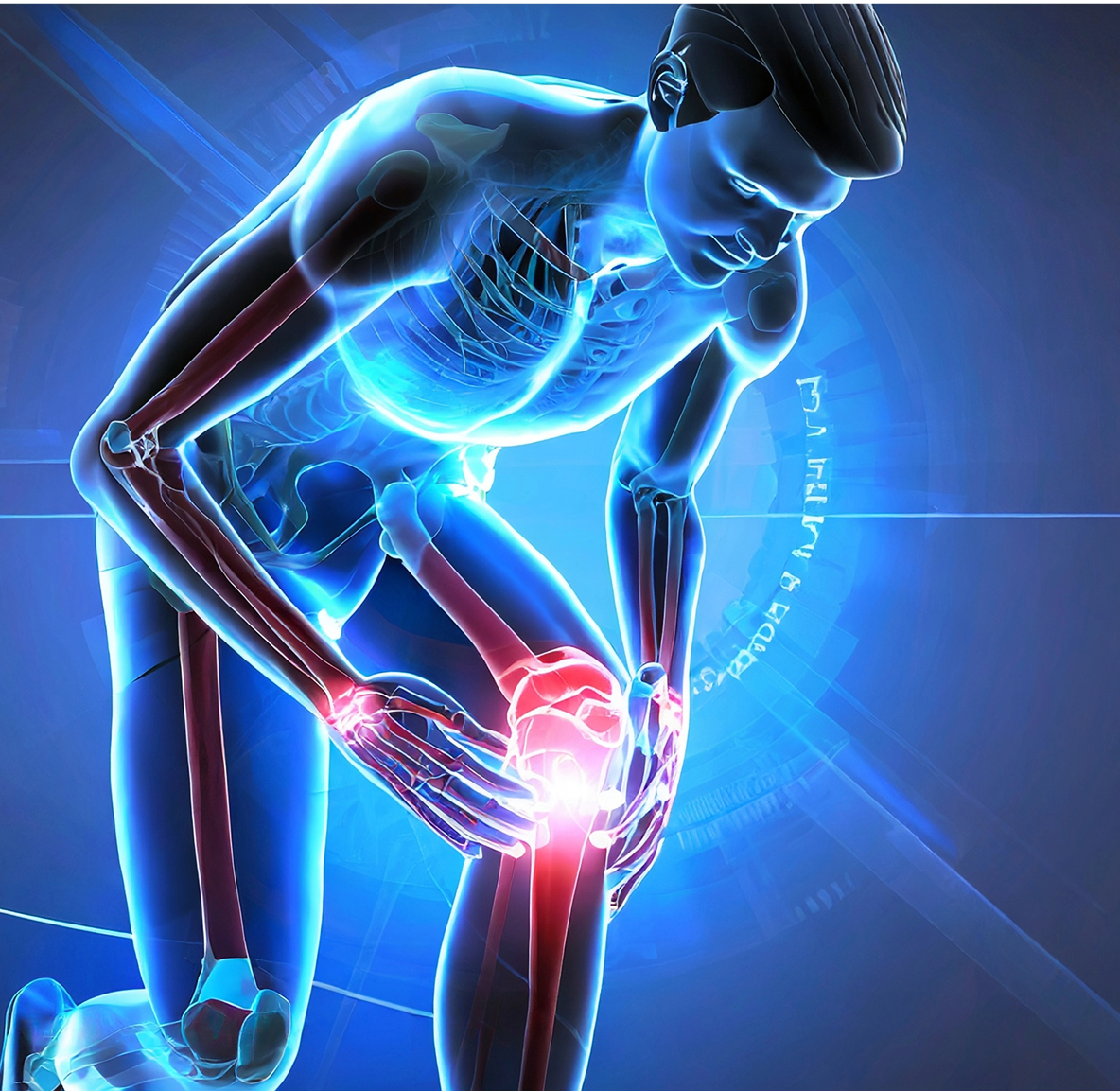
Sidelined by a sports injury? Dr Waggenspack Orthopedics in Houston, TX provides expert sports medicine care for shoulder and elbow injuries, helping athletes safely return to activity and performance.

Struggling with shoulder arthritis pain or stiffness? Dr Waggenspack Orthopedics in Houston, TX offers expert evaluation and treatment options, including injections and shoulder replacement, to relieve pain and improve mobility.