
Frequent shoulder dislocations could be a sign that you have shoulder instability. This article will discuss what shoulder instability is and its causes. We will also discuss how it can be identified, as well as the most effective treatment options.
If you would like more information about shoulder injuries, feel free to contact Dr. Wame Waggenspack in Houston, Texas. Dr. Waggenspack is an expert orthopedic shoulder surgeon who is helping many people return to the activities and sports they love.
Related Services
Shoulder instability often occurs with a dislocated shoulder. This is when a sudden forceful injury, such as a fall or accident, causes the top (head) of the upper arm bone to come out of the shoulder socket.
If you have previously dislocated your shoulder, it is likely to occur again. This is because the ligaments, tendons, and muscles around the shoulder become loose or torn. If frequent dislocations occur, it is referred to as chronic shoulder instability.
The shoulder is particularly vulnerable to instability because of the large range of motion in which movement is possible.
A common cause for shoulder instability is dislocation of the glenohumeral joint. This is the joint between the upper arm bone and the glenoid of the shoulder blade. Instability can be the result of a partial or complete dislocation.
A partial dislocation is when the humeral head is partially out of the socket. A complete dislocation is when the humeral head comes completely out of the socket.
Shoulder dislocations can occur with severe injury or trauma. The shoulder socket and the ligaments can get injured during a dislocation, as well as the labrum. The labrum is the cartilage rim that sits in the socket to make it deeper. These injuries can make it more likely for you to experience further dislocations.
Other possibilities of shoulder instability are caused by loose shoulder ligaments. These ligaments could be loose because of your normal anatomy or because of repetitive movements in your sport or work.
You are likely to have shoulder instability if you experience the following symptoms:
Dislocated shoulder symptoms may include the following:
When diagnosing shoulder instability, Dr. Waggenspack will start by talking with you about your symptoms and medical history. Then, he will do a physical exam, including specific tests to check for instability.
Next, your doctor might order some imaging tests to get a better look at the structures of your shoulder. X-rays can help identify bone injuries in your shoulder joint. An MRI (Magnetic Resonance Imaging) scan can show detailed images of soft tissues, helping your doctor spot any injuries to the ligaments and tendons around your shoulder joint. Additionally, a CT scan can sometimes be used to look more closely at the bony structures, where injury can occur with repeated dislocations, or a severe initial dislocation.
Below are some of the options you have to treat your shoulder instability.
Non-surgical treatments for shoulder instability may include the following:
If you continue with pain or symptoms of instability after trying non-surgical treatments, you may require surgery. Dr. Waggenspack can repair torn or stretched ligaments in order to stabilize the shoulder joint. There are two methods of surgery used to treat instability:
After a shoulder stabilization surgery, you can expect to feel some pain. For the first few weeks after surgery, you may be prescribed medications for pain. These may include opioids, muscle spasm medications, and non-steroidal anti-inflammatory drugs (NSAIDs). Combining these medications, called multi-modal pain management, can enhance pain relief while reducing reliance on opioids.
Immobilization after surgery is necessary to protect the repair while the tendon heals. This typically involves wearing a sling for 6 weeks, and varies based on the severity of the injury.
Rehabilitation is an important part of recovery. After the first postoperative visit with Dr. Waggenspack, you will begin physical therapy to regain shoulder strength and regain mobility. These exercises help improve shoulder range of motion within the first 4 to 6 weeks post-surgery. These exercises involve the therapist supporting and moving your arm to different positions.
After this initial phase, you’ll progress to active exercises without therapist assistance, gradually increasing strength and arm control. By around 12 weeks, your therapist will introduce a strengthening exercise regimen.
Full recovery typically takes several months, with most patients achieving functional range of motion and strength 6 months post-surgery, although full recovery can sometimes take 9 to 12 months. Return to sport varies from 6 months to 1 year, depending on the demand on the shoulder and risk of re-injury.
Unfortunately, the risk of repeat dislocation cannot be completely eliminated even with excellent surgery and physical therapy. However, consistent commitment to rehabilitation is crucial to minimize the risk. Dr. Waggenspack will discuss the specifics of your problem with you in detail prior to surgery.
If you’re experiencing shoulder instability or frequent dislocations, it’s important to seek expert medical advice. Contact the office of Dr. Wame Waggenspack, an orthopedic shoulder surgeon in Houston, TX. Dr. Waggenspack specializes in helping patients return to their favorite activities and sports, providing personalized care and effective treatment options.
Don’t let shoulder issues hold you back any longer. Take the first step towards recovery and book your appointment with Dr. Wame Waggenspack today!
Medically reviewed by Dr. Wame Waggenspack
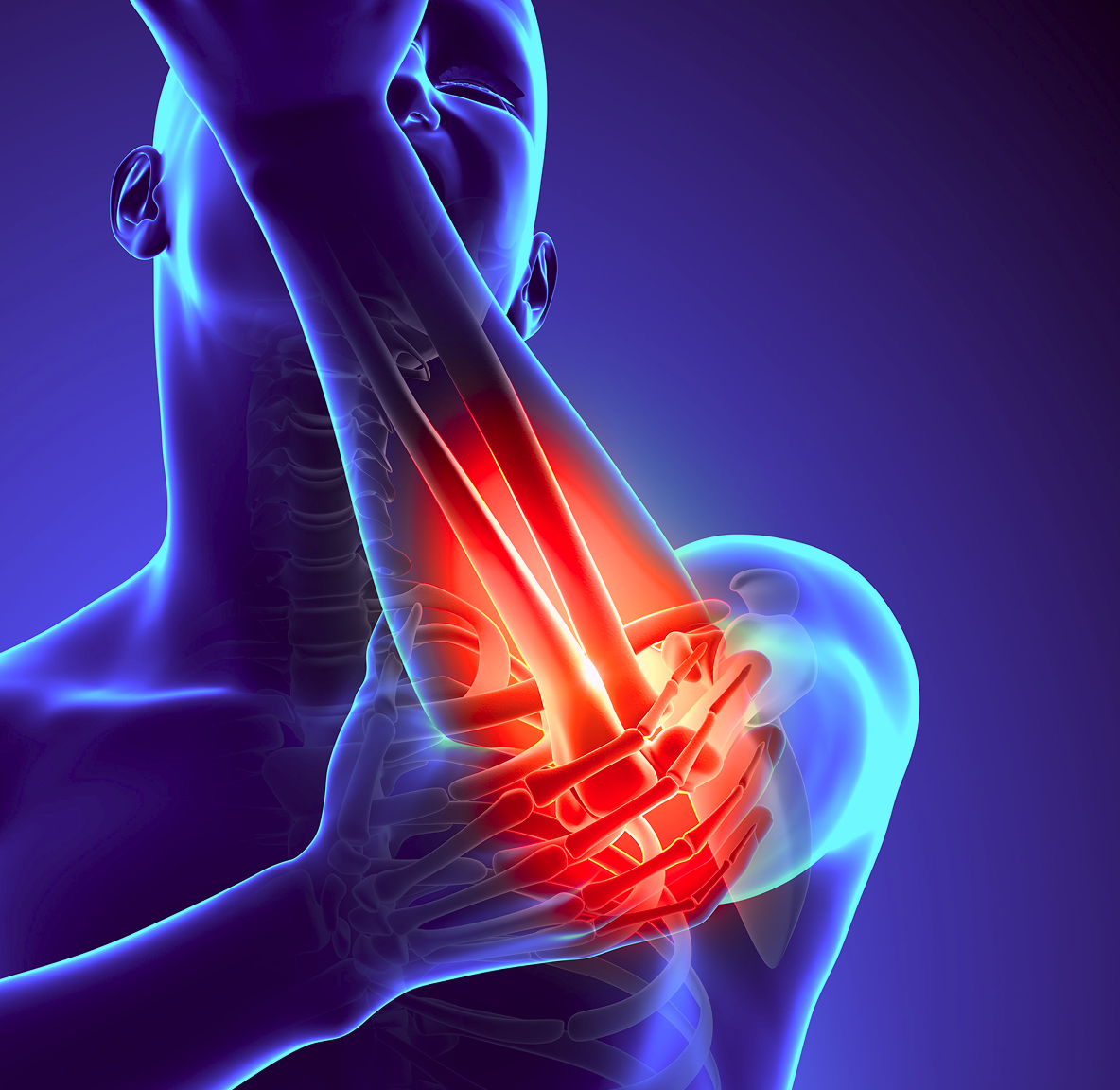
Need expert elbow surgery in Houston, TX? Dr Waggenspack Orthopedics treats elbow injuries and conditions with personalized surgical and non-surgical solutions to restore strength, motion, and function.
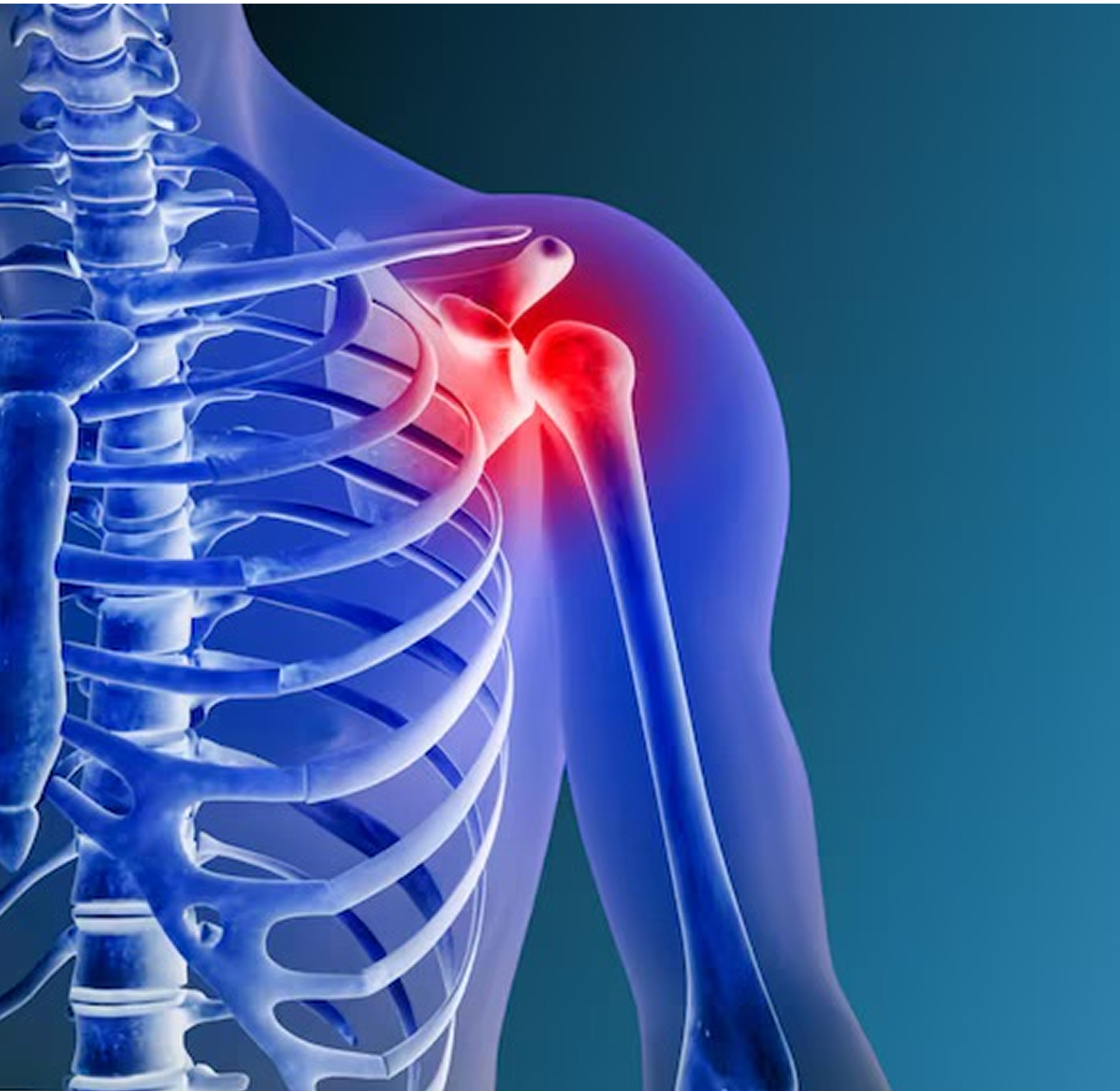
Need expert shoulder surgery in Houston, TX? Dr Waggenspack Orthopedics offers advanced arthroscopic and open shoulder procedures, including rotator cuff repair, shoulder replacement, and fracture repair to restore function and relieve pain.
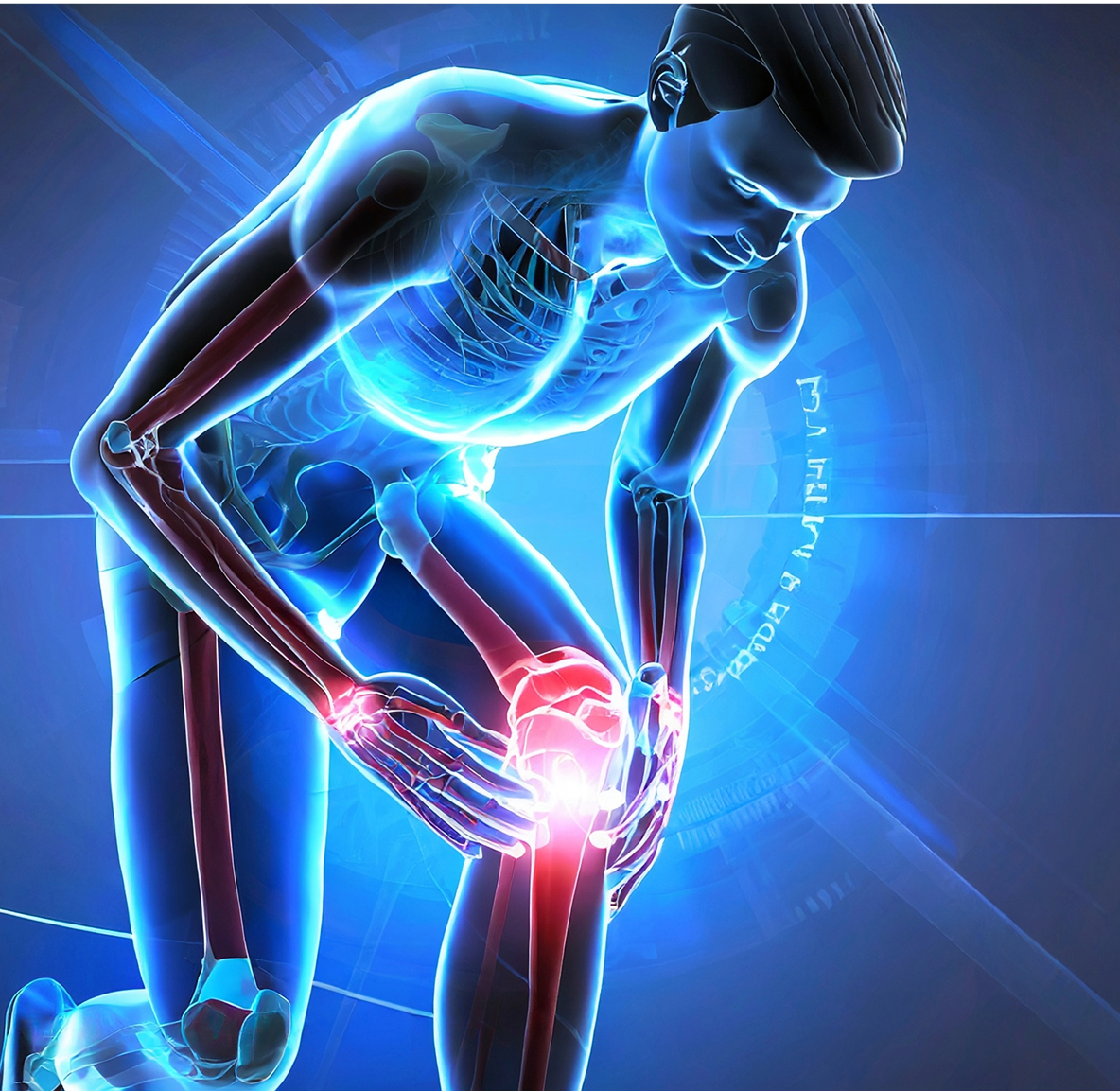
Sidelined by a sports injury? Dr Waggenspack Orthopedics in Houston, TX provides expert sports medicine care for shoulder and elbow injuries, helping athletes safely return to activity and performance.

Struggling with shoulder arthritis pain or stiffness? Dr Waggenspack Orthopedics in Houston, TX offers expert evaluation and treatment options, including injections and shoulder replacement, to relieve pain and improve mobility.
Testimonials
What People Are Saying About Dr. Waggenspack
Dr. Wame Waggenspack provides expert elbow, shoulder, and sports medicine care with a personalized approach focused on long-term recovery and quality of life.