Rotator cuff repair is a surgical procedure used to treat a torn rotator cuff tendon. Read on to learn more about this procedure and when it might be necessary.
Discover how rotator cuff repair surgery with Dr. Wame Waggenspack, in Houston, Texas, could help restore your quality of life. Begin your journey by learning more about our personalized treatment options and scheduling a consultation today!

Related Services
The rotator cuff is a group of muscles that surround your shoulder joint and hold your upper arm bone in the shoulder socket. The rotator cuff comprises four muscles that come together as tendons. They cover the head (top) of the humerus, connecting the upper arm bone to the shoulder blade. The rotator cuff muscles have a role in lifting and rotating your arm.
Rotator cuff repair surgery is a procedure used to treat some rotator cuff injuries. It involves reattaching the rotator cuff tendon to the head of the upper arm bone. This is often the case when there is a complete or near complete rotator cuff tear.
In a repair, the torn tendon is stitched back to its original location on the bone. A partial rotator cuff tear may only need trimming or smoothing in a procedure called debridement.
You may be recommended for a rotator cuff repair surgery if you have tried non-surgical treatments for a rotator cuff tear and the pain has not improved. You may also require surgery if you are active and use your arm for overhead work or sports. Acute tears that occur from an injury, such as a fall, are typically treated with urgent surgery.
Other reasons for rotator cuff repair may include the following:
Various surgical options exist for repairing rotator cuff tears. Advancements in techniques allow for less invasive procedures. The choice of repair method depends on factors such as the surgeon’s expertise, tear size, anatomy, and tissue quality.
Rotator cuff repairs are done on an outpatient basis, meaning you return home the same day as your surgery. Common shoulder issues like biceps tendon tears, osteoarthritis, and bone spurs may also be addressed during surgery.
The three main techniques are traditional open repair, arthroscopic repair, and mini-open repair. Despite their differences, all methods are rated similarly by patients in terms of long-term pain relief, strength improvement, and overall satisfaction.
Dr. Waggenspack performs all of his rotator cuff repairs with an all-arthroscopic or minimally invasive technique, as this allows the best visualization of the tear, any additional problems, and the entire shoulder joint.
Rarely, an additional small open incision is used for part of the repair (subscapularis tendon). While Dr. Waggenspack exclusively utilizes the arthroscopic technique, it is good to know all technique possibilities.
Complications following surgery are not very common but can occur. Besides complications related to surgery, such as blood loss or problems related to anesthesia, there is a risk of the following complications:
After a rotator cuff surgery, you can expect to feel some pain. For the first few weeks after surgery, you may be prescribed medications for pain. These may include opioids, muscle spasm medications, and non-steroidal anti-inflammatory drugs (NSAIDs). Combining these medications, called multi-modal pain management, can enhance pain relief while reducing reliance on opioids.
Immobilization after surgery is necessary to protect the repair while the tendon heals. This typically involves wearing a sling for 4 to 6 weeks, and varies based on the severity of the injury.
Rehabilitation is an important part of recovery. After the first postoperative visit with Dr. Waggenspack, you will begin physical therapy to regain shoulder strength and mobility. These exercises help improve shoulder range of motion within the first 4 to 6 weeks post-surgery. These exercises involve the therapist supporting and moving your arm to different positions.
After this initial phase, you’ll progress to active exercises without therapist assistance, gradually increasing strength and arm control. By around 12 weeks, your therapist will introduce a strengthening exercise regimen.
Full recovery typically takes several months, with most patients achieving functional range of motion and strength 6 months post-surgery, although recovery can sometimes take 9 to 12 months. Consistent commitment to rehabilitation is crucial for a successful outcome.
The goal of surgery is to experience improved shoulder strength and less pain following surgery for a torn rotator cuff.
Ready to take the next step towards relieving your shoulder pain and improving your quality of life? Schedule a consultation with Dr. Wame Waggenspack today, located in Houston, TX.
With expertise in rotator cuff repair surgery and a commitment to personalized care, Dr. Waggenspack can guide you through the process and help you achieve the best possible outcome for your shoulder health.
Don’t let shoulder discomfort hold you back any longer. Contact our practice today!
Medically reviewed by Dr. Wame Waggenspack
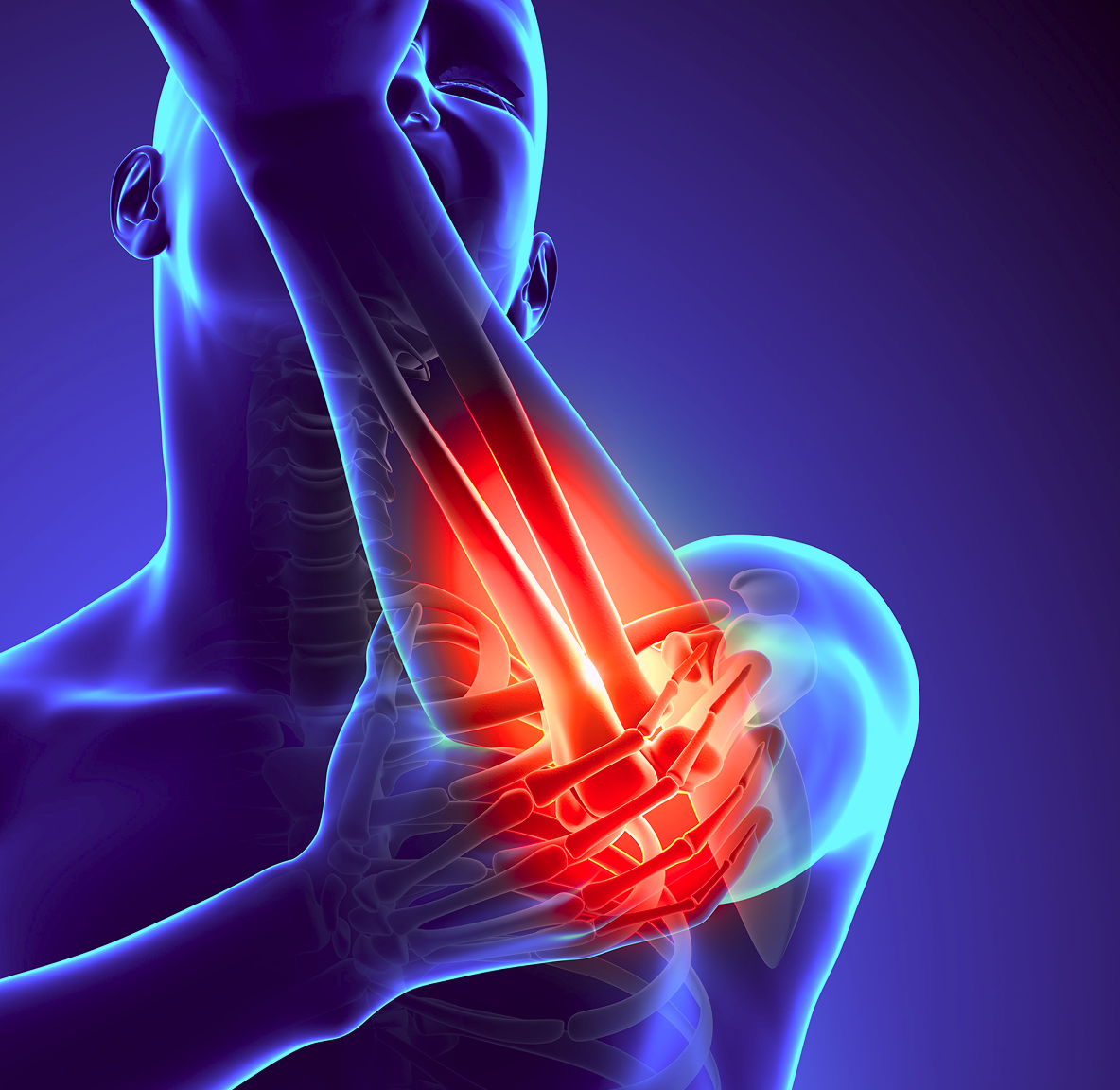
Need expert elbow surgery in Houston, TX? Dr Waggenspack Orthopedics treats elbow injuries and conditions with personalized surgical and non-surgical solutions to restore strength, motion, and function.
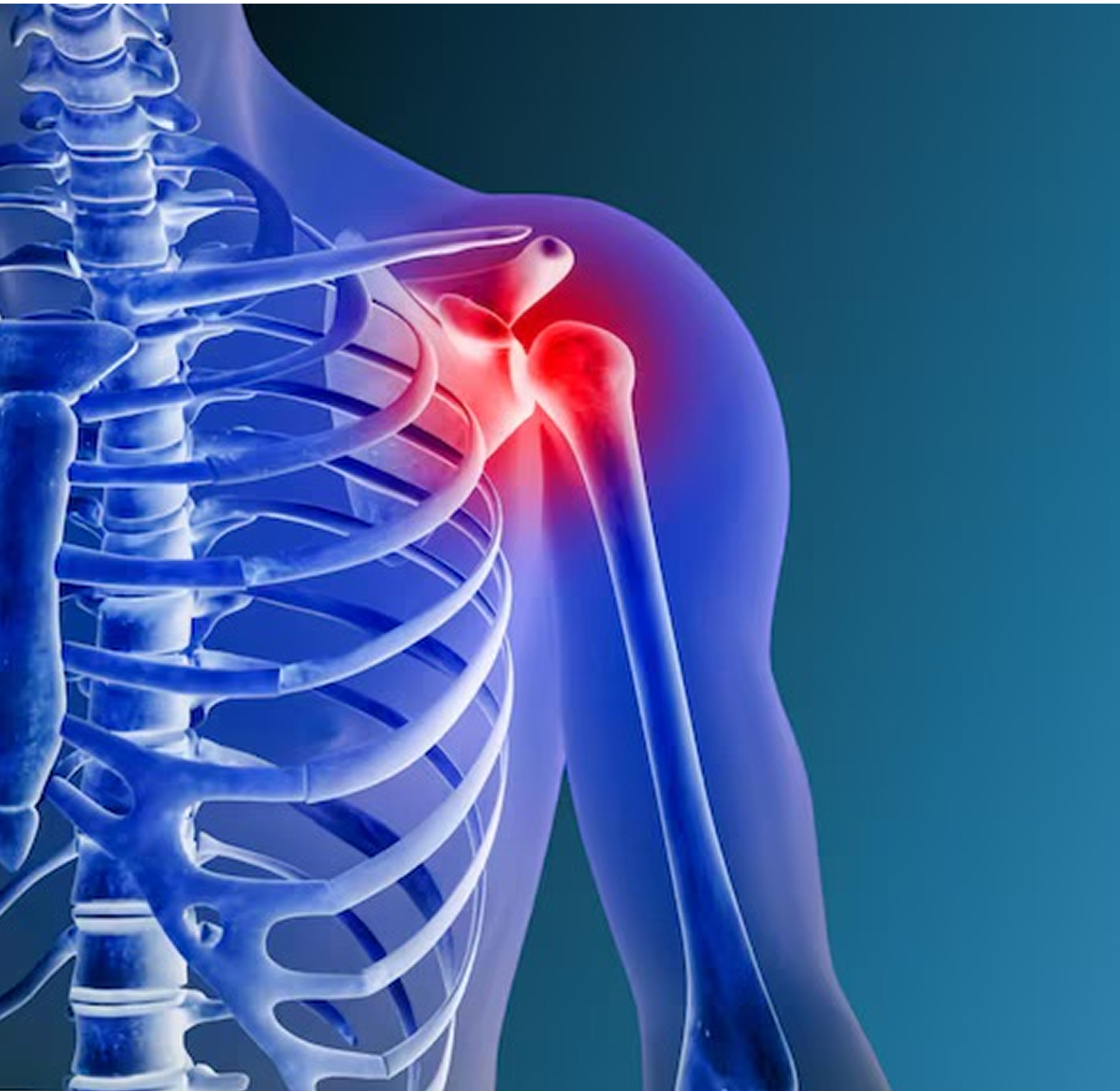
Need expert shoulder surgery in Houston, TX? Dr Waggenspack Orthopedics offers advanced arthroscopic and open shoulder procedures, including rotator cuff repair, shoulder replacement, and fracture repair to restore function and relieve pain.
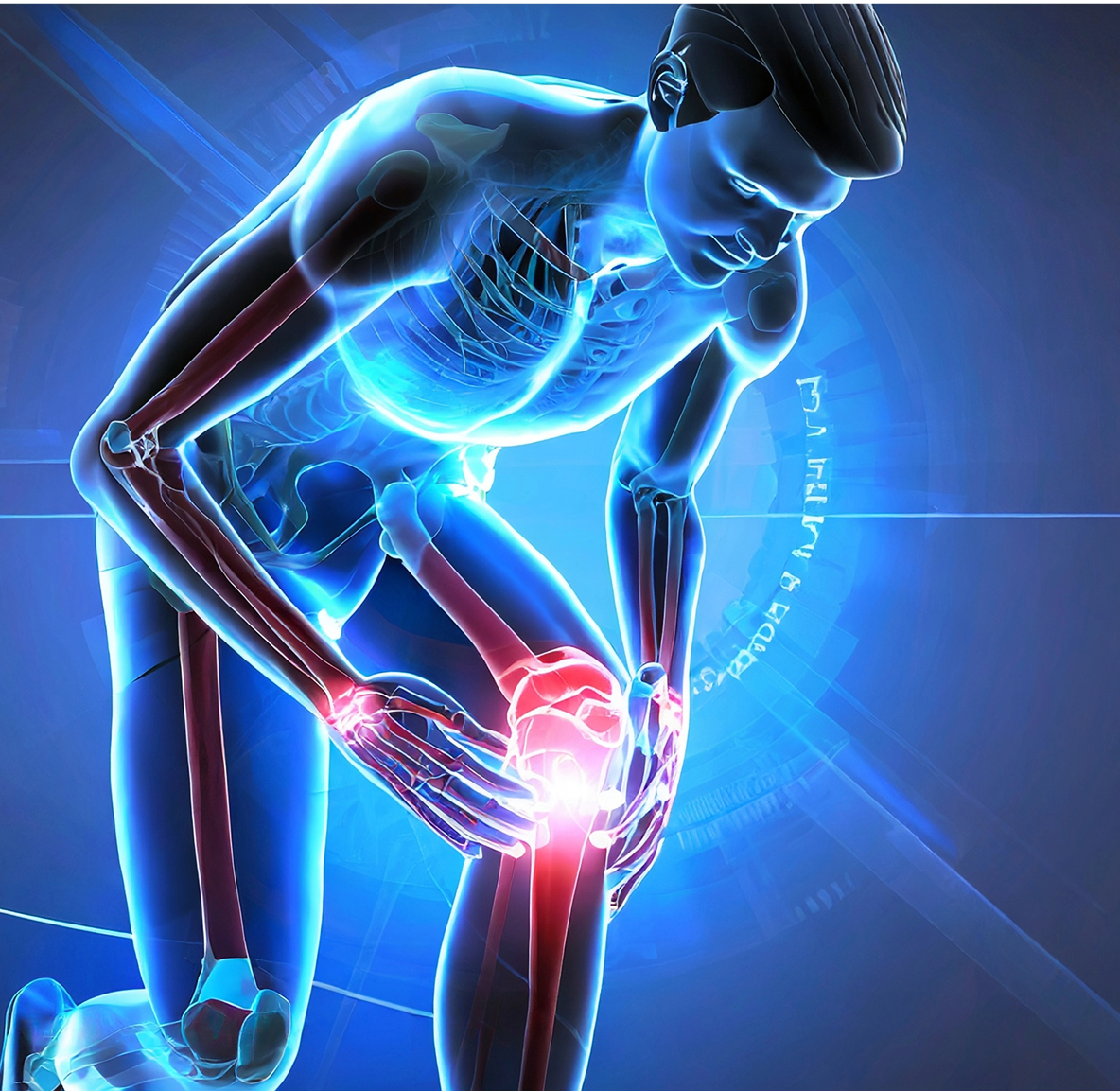
Sidelined by a sports injury? Dr Waggenspack Orthopedics in Houston, TX provides expert sports medicine care for shoulder and elbow injuries, helping athletes safely return to activity and performance.

Struggling with shoulder arthritis pain or stiffness? Dr Waggenspack Orthopedics in Houston, TX offers expert evaluation and treatment options, including injections and shoulder replacement, to relieve pain and improve mobility.
Testimonials
What People Are Saying About Dr. Waggenspack
Dr. Wame Waggenspack provides expert elbow, shoulder, and sports medicine care with a personalized approach focused on long-term recovery and quality of life.